


The Foundation of Every Outfit
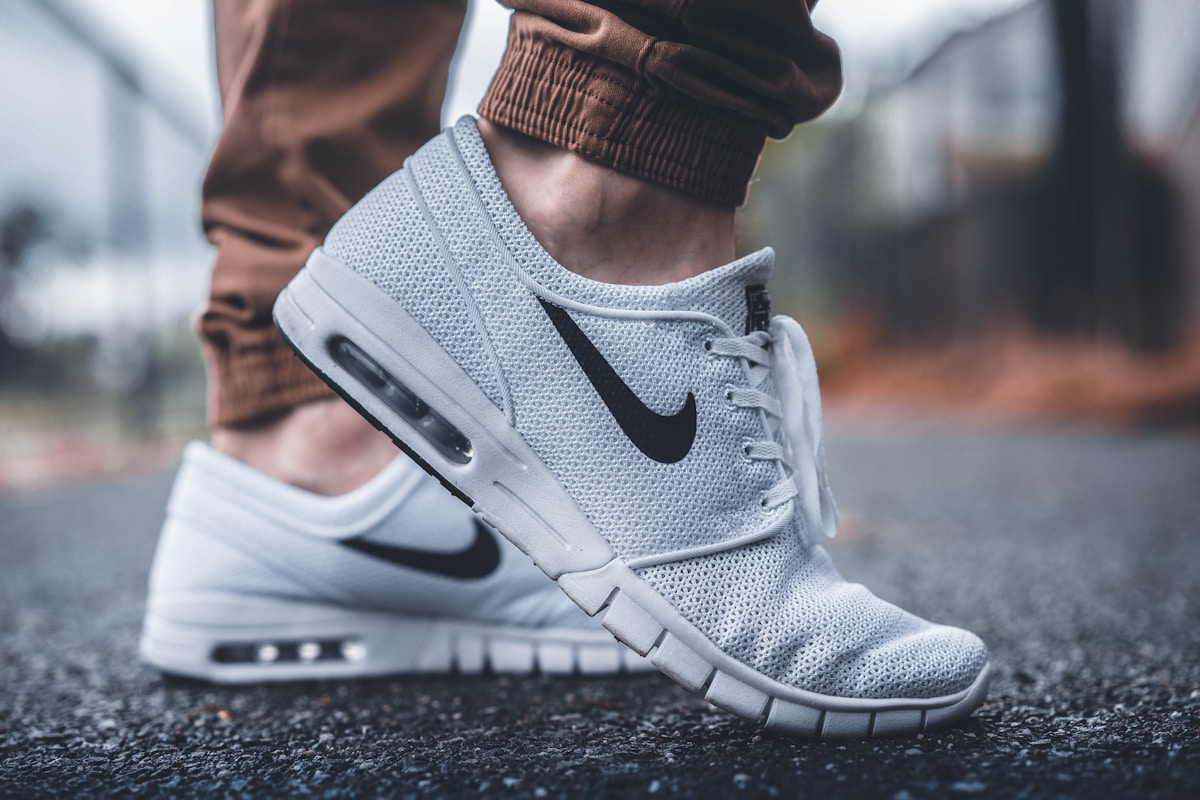
Your outfit is only as good as what's on your feet. The right footwear elevates everything above it. The wrong choice undermines even the most premium clothing. This is the footwear philosophy for the ambitious: strategic collection building, quality over hype, and understanding that what you walk in says everything about where you're going.
The Daily Driver: Your Most Important Investment
Every collection needs a daily driver - the pair you reach for most often because they work with everything and hold up to constant wear. This isn't about flash. It's about reliability. Think clean leather sneakers in black or white. Premium construction that lasts years, not months. Comfort that supports all-day wear without compromise.
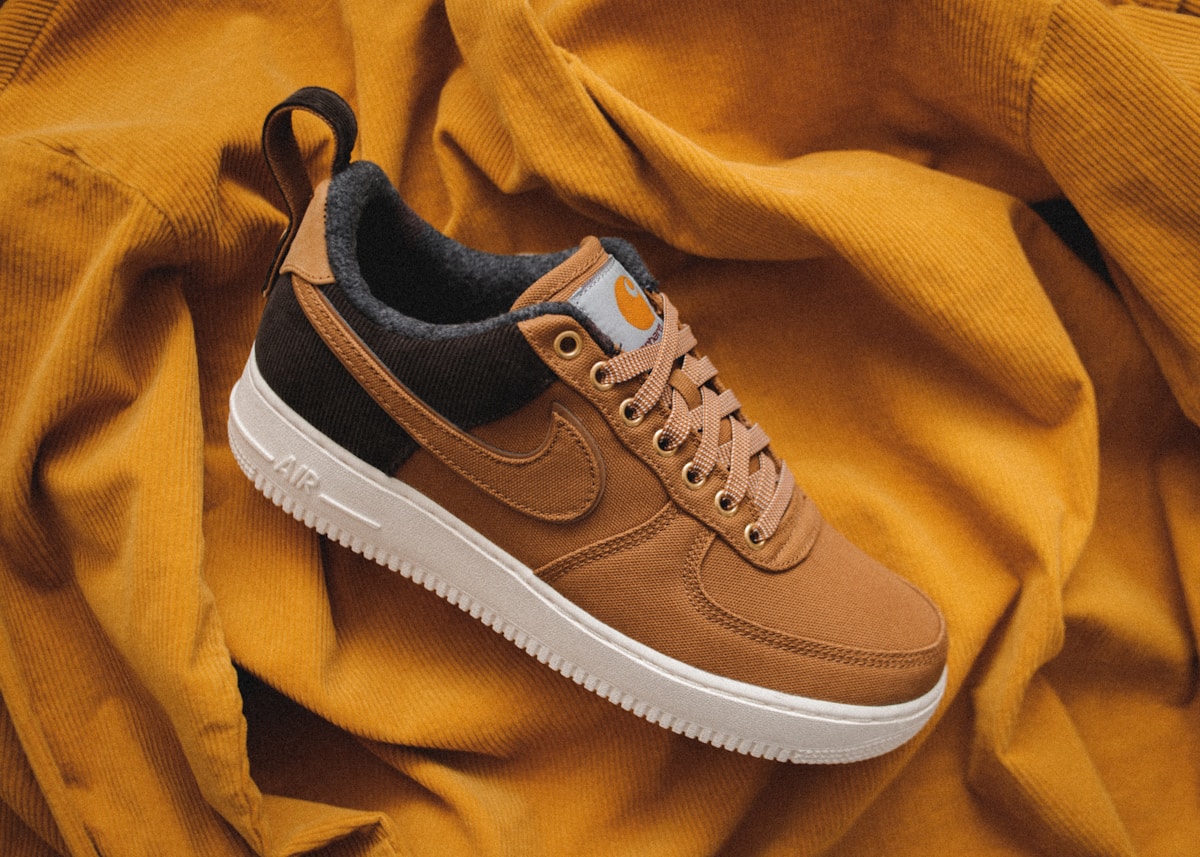
Brands like Common Projects, Axel Arigato, or Nike's premium lines deliver here. The silhouette should be simple enough to work with any outfit, quality enough to justify the investment, and durable enough to become your go-to for months on end. This pair gets the most wear, so choose wisely.
The Statement Piece: Personality on Display
Beyond your daily driver, every collection benefits from one or two statement pairs. These are the sneakers that spark conversations. Limited releases, bold colorways, collaborations, vintage grails. These pairs don't wear as often, but when they do, they make an impact.
Statement sneakers require confidence to pull off. They become the focal point of any outfit, so everything else should complement rather than compete. Neutral clothing lets statement footwear shine. This is where personal taste dominates - your statement pieces should reflect your aesthetic, not trends.
The Elevated Option: When Sneakers Won't Do
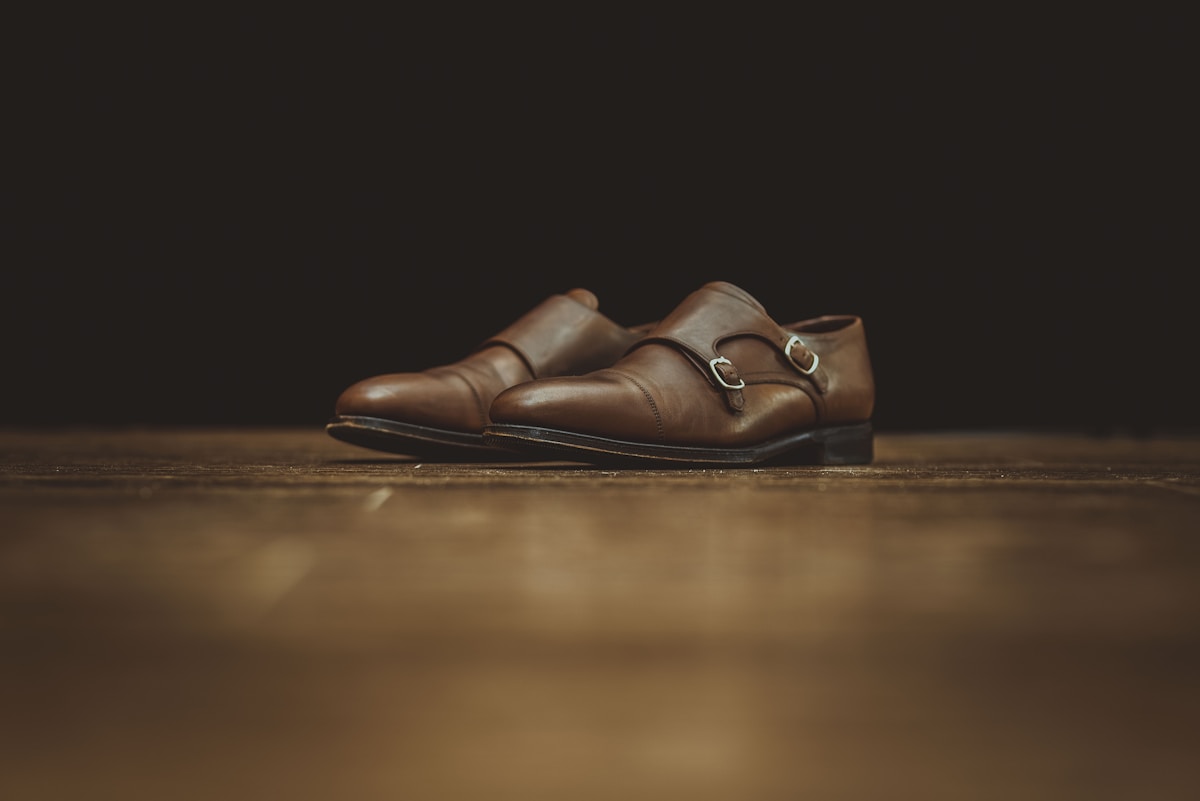
Despite sneaker culture's dominance, some contexts still call for more formal footwear. Quality leather boots or dress shoes in black or brown become essential for these moments. But even here, the modern approach allows for personality - Chelsea boots instead of oxfords, derby styles instead of traditional dress shoes.
These elevated options should still feel connected to your aesthetic. You're not wearing a costume - you're wearing a different expression of your style. Look for brands that bridge casual and formal: Common Projects dress shoes, quality Chelsea boots from Loake or RM Williams, minimalist derby styles from Beckett Simonon.
The Weather Warriors: Function Meets Style
Practical footwear for adverse weather used to mean sacrificing style. Not anymore. Technical boots that handle snow and rain now come in designs worthy of your rotation. Waterproof sneakers maintain clean silhouettes while providing protection. The young billionaire doesn't let weather dictate whether they look good - they invest in pieces that deliver both.
Brands like Blundstone, Salomon, and even luxury houses now offer weather-appropriate footwear that doesn't scream 'hiking boot.' These pieces expand your year-round versatility while maintaining aesthetic standards.
The Athletic Exception: Performance With Purpose
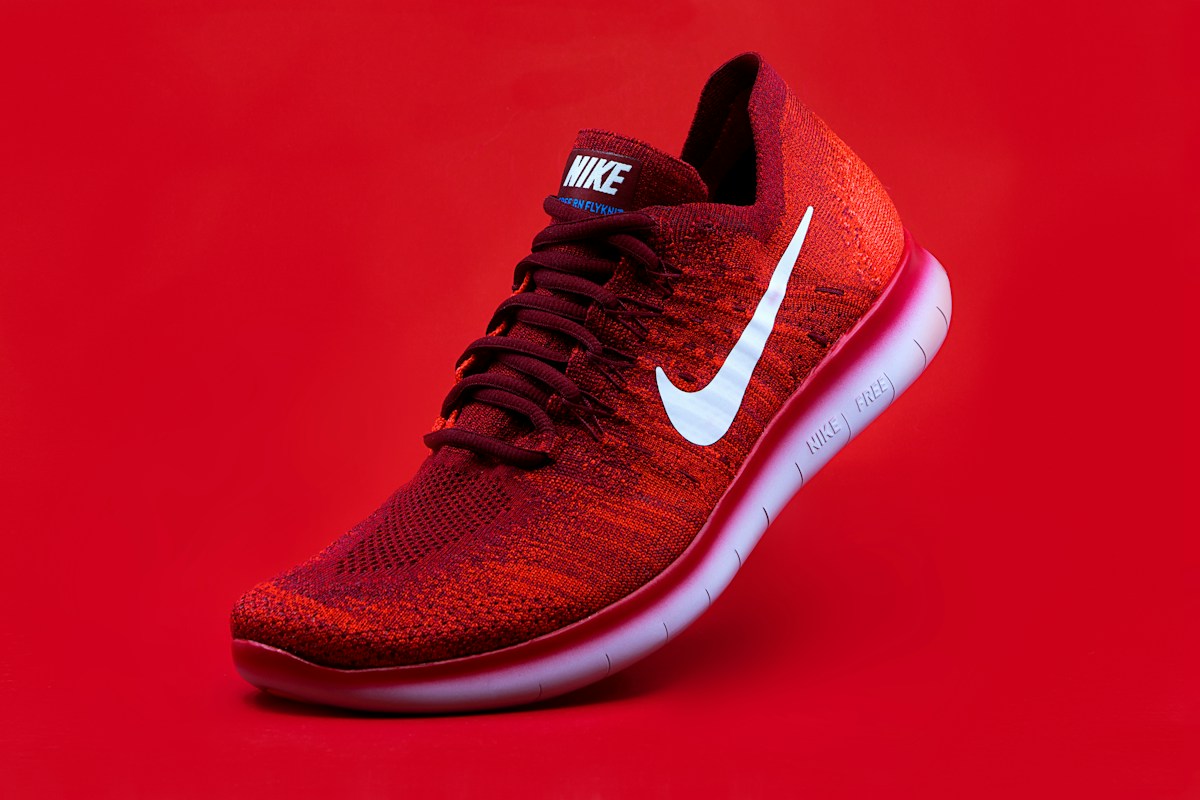
Actual athletic activity requires actual athletic footwear. Running shoes for running. Training shoes for the gym. Basketball shoes for the court. But these should be legitimately functional, not lifestyle posing. The distinction matters.
Keep athletic footwear separate from your style rotation unless it's genuinely versatile. Some performance shoes transition well - certain Nike or Adidas models work in casual contexts. But most are too sport-specific to serve dual purposes. Don't force it.
Color Strategy: Building a Cohesive Collection
Your footwear collection should follow a color strategy aligned with your overall wardrobe. Start with neutral foundations - black, white, grey. These work with 90% of your outfits. From there, add colors strategically based on your clothing palette.
If you wear a lot of earth tones, brown or tan sneakers make sense. If your wardrobe leans monochrome, you have more freedom for bold footwear colors. Let your clothing dictate your footwear expansion, not impulse or hype.
Quality Indicators: What to Look For
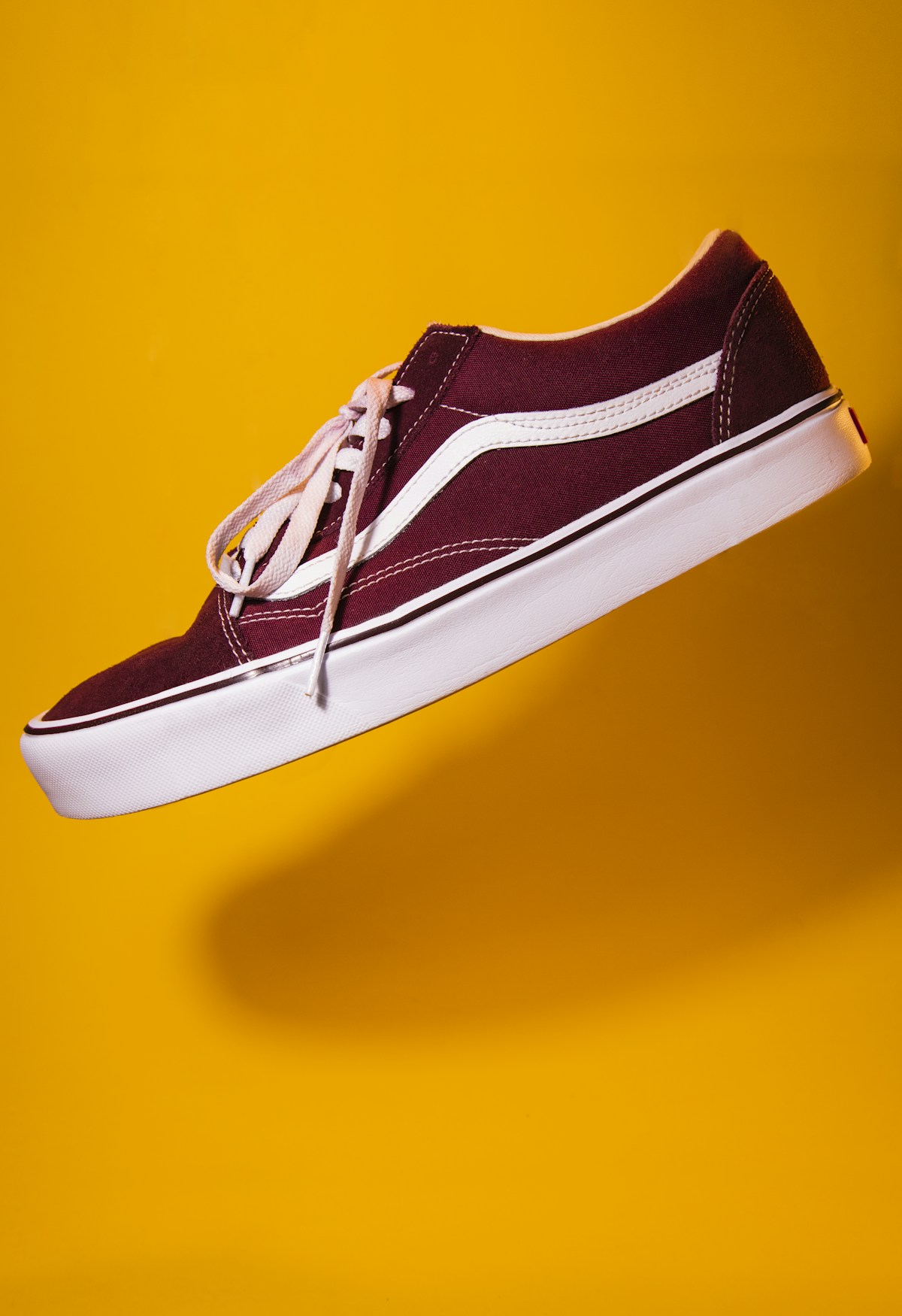
Premium footwear reveals itself in details: genuine leather that develops patina rather than cracking, quality stitching that holds up to stress, insoles that maintain structure and comfort, outsoles that provide grip without excessive wear, construction methods that allow for potential resoling.
These quality markers separate investment pieces from disposable fashion. A $300 pair that lasts three years with proper care costs less per wear than a $100 pair that falls apart in six months. The billionaire mindset applies: think in terms of value, not just price.
The Hype Trap: Avoiding Empty Status
Sneaker culture has become obsessed with hype - limited releases, resale values, status symbols. The mature collector avoids this trap. Hype doesn't equal quality. Scarcity doesn't ensure style. Some of the best footwear flies under the radar because it focuses on quality over marketing.
Buy what you genuinely like and will actually wear. If that happens to be a hyped release, great. But don't chase hype for its own sake. Your collection should reflect your taste, not someone else's arbitrage opportunity.
Maintenance: Preserving Your Investment

Premium footwear demands premium care. Clean your sneakers regularly - dirt and grime accelerate material breakdown. Use shoe trees for leather pieces to maintain shape. Rotate your footwear to allow proper drying and recovery between wears. Store properly to prevent creasing and damage.
These simple practices extend footwear life dramatically. The difference between sneakers that last one year versus three often comes down to maintenance, not quality. Respect your investment with proper care.
The Rotation Strategy: Maximizing Longevity
Never wear the same pair two days in a row if possible. Rotation allows materials to recover, prevents premature wear, and extends the life of every pair in your collection. This means you need enough pairs to enable rotation - but quality pairs in rotation beat quantity pairs worn to death.
A collection of 5-7 quality pairs in rotation serves you better than 20 mediocre pairs competing for wear. Build depth in versatility, not just numbers.
Seasonal Considerations: Adapting Your Arsenal
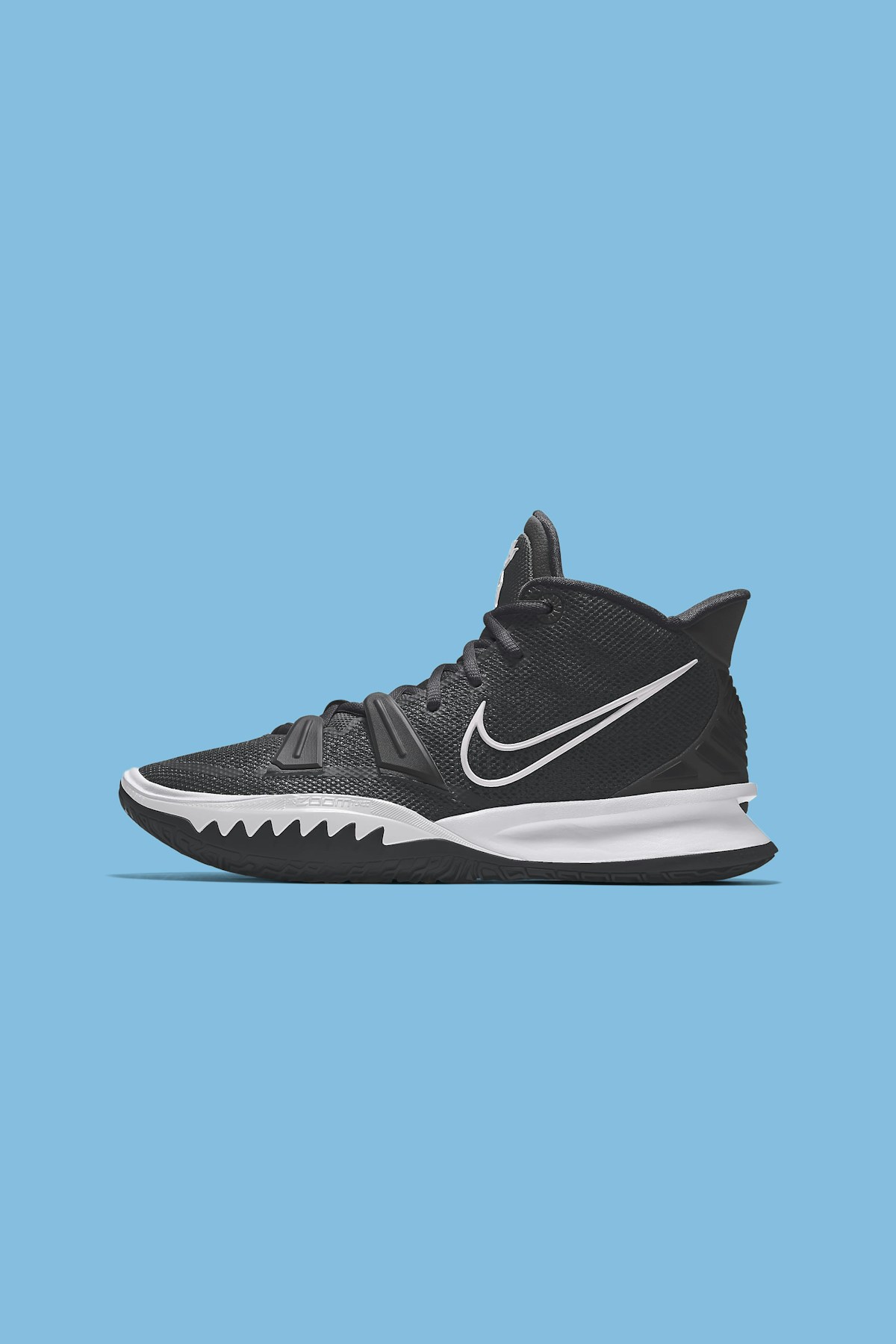
Your footwear rotation should adapt to seasons. Summer calls for lighter colors and breathable materials. Winter demands weather protection and darker tones that hide salt stains. Fall and spring allow maximum versatility.
Plan your collection with seasonal needs in mind. Don't force winter boots in summer heat or canvas sneakers in snow. Context-appropriate footwear is part of sophisticated dressing.
The Travel Consideration: Strategic Packing
Footwear is heavy and bulky, making it the limiting factor in travel packing. Build your collection with versatile pieces that work across contexts. A quality pair of leather sneakers can handle casual daytime activities and elevated evening events. Thoughtful collection building makes travel easier.
The goal is having footwear so versatile that you can travel with just the pair you're wearing and maybe one backup. That level of versatility requires quality and strategic selection.
Investment Priorities: Building Your Foundation
If you're starting or rebuilding your collection, prioritize in this order: one exceptional daily driver in white or black leather, one weather-appropriate pair for your climate, one elevated option for formal contexts, one statement pair that reflects your personality.
From this four-pair foundation, expand based on your lifestyle demands. More travel means more versatile options. More formal contexts mean more dress shoes. More athletic activity means dedicated performance footwear. Let your life guide your collection.
The Authentication Challenge: Avoiding Fakes

The premium footwear market attracts counterfeits. Buy from authorized retailers or authenticated resale platforms. If a deal seems too good to be true, it probably is. Fakes aren't just about being duped - they're about quality. Counterfeit materials break down faster, fit poorly, and damage your feet.
Authentication services exist for valuable pieces. Use them when buying secondhand. Your reputation and foot health are worth the extra diligence.
The Photograph Factor: Looking Good Online
We live in a visual age. Your footwear appears in countless photos, videos, and virtual meetings. Consider how your shoes photograph. Clean silhouettes and well-maintained conditions translate better to images than dirty or overly complex designs.
This doesn't mean choosing footwear for Instagram over real life. It means acknowledging that visual presentation matters in multiple dimensions. Your footwear should look good in person and on screen.
The Long Game: Collection as Journey
A mature footwear collection isn't built overnight. It develops over years as you refine your taste, understand your needs, and invest strategically. This is a journey, not a destination. Each piece should represent a decision point, a milestone, a conscious choice.
In ten years, your collection will tell your style evolution story. Make sure it's a story worth telling. Quality over quantity. Intention over impulse. Versatility over hype. That's the young billionaire approach to footwear. Walk accordingly.