



Complexity Made Simple
Anyone can throw on a single outfit. The sophisticated individual builds depth through layers - creating visual interest, practical versatility, and a signature look that evolves throughout the day. Layering is an art form, and like all arts, it has principles that separate mastery from mediocrity.
The Foundation: Building from the Base
Layering starts with your base layer - typically a premium tee. This piece must fit impeccably because it influences everything above it. Too loose and your layers bulk up. Too tight and you restrict movement. The fabric should be substantial enough to maintain structure but thin enough to layer comfortably.
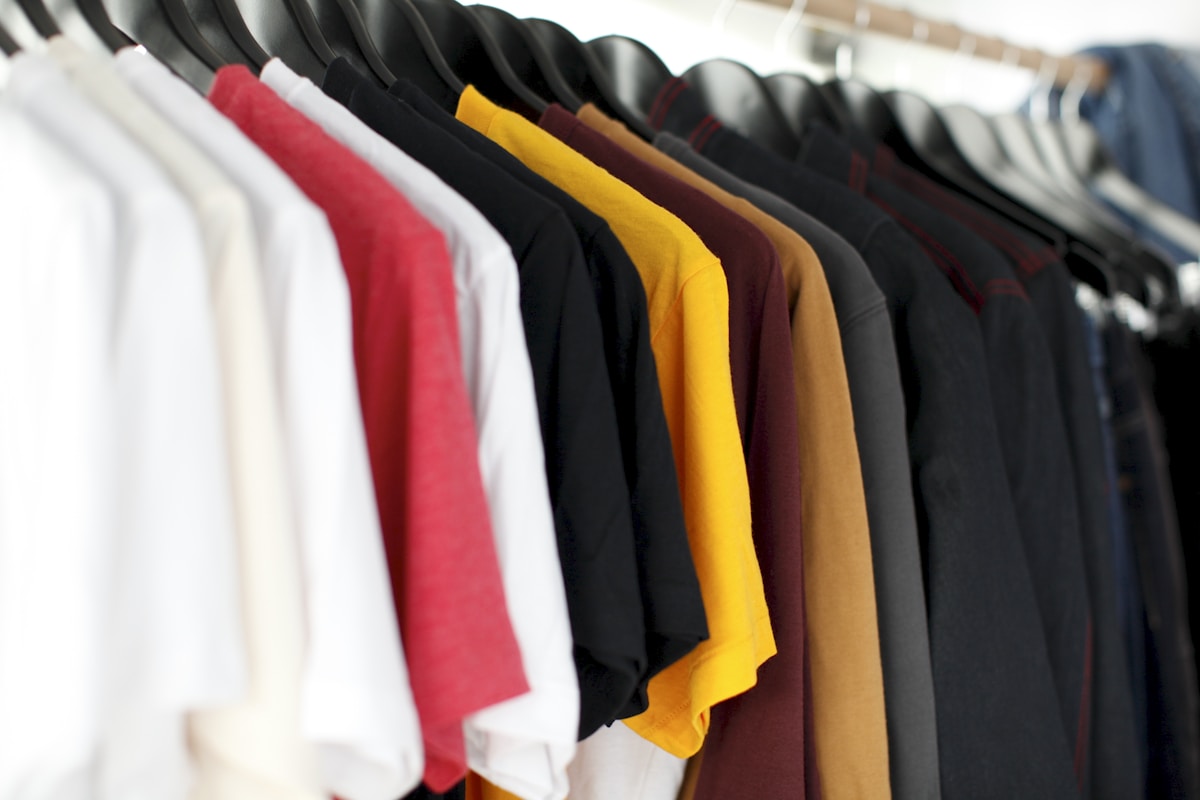
Color matters at the foundation level. Neutral bases provide maximum versatility. A white or black tee works under virtually anything. Grey, cream, and navy expand options. Save bolder colors for outer layers where they have visual dominance.
The Middle Layer: Creating Dimension
Your middle layer adds personality while providing functional warmth. This could be a hoodie, a sweatshirt, a button-up, or a lightweight knit. The key is that it complements your base without overwhelming it. If your base tee has graphics, your middle layer should be solid. If your base is plain, your middle can add visual interest.
Fit at the middle layer should be slightly relaxed - enough to comfortably layer over your base, but not so oversized it looks sloppy. Premium construction ensures proper drape. Cheap middle layers bunch at the shoulders and waist, destroying your silhouette.
The Outer Layer: Making the Statement
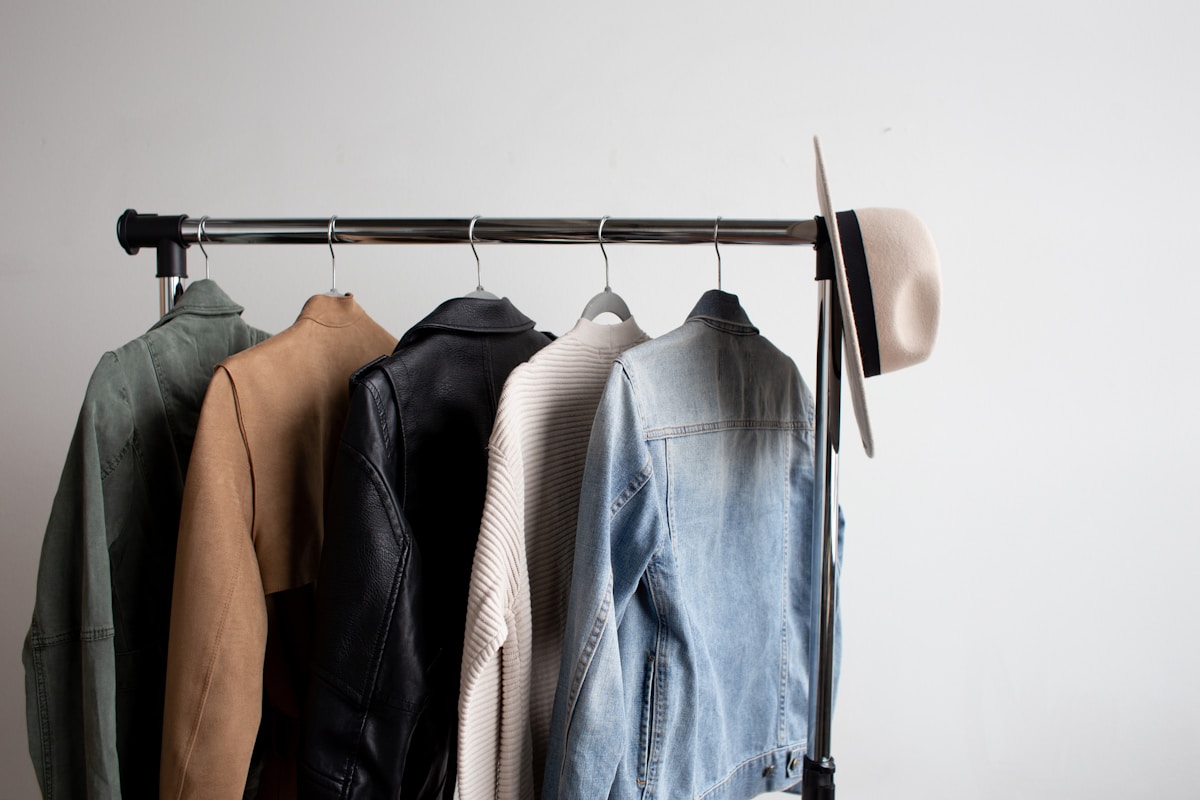
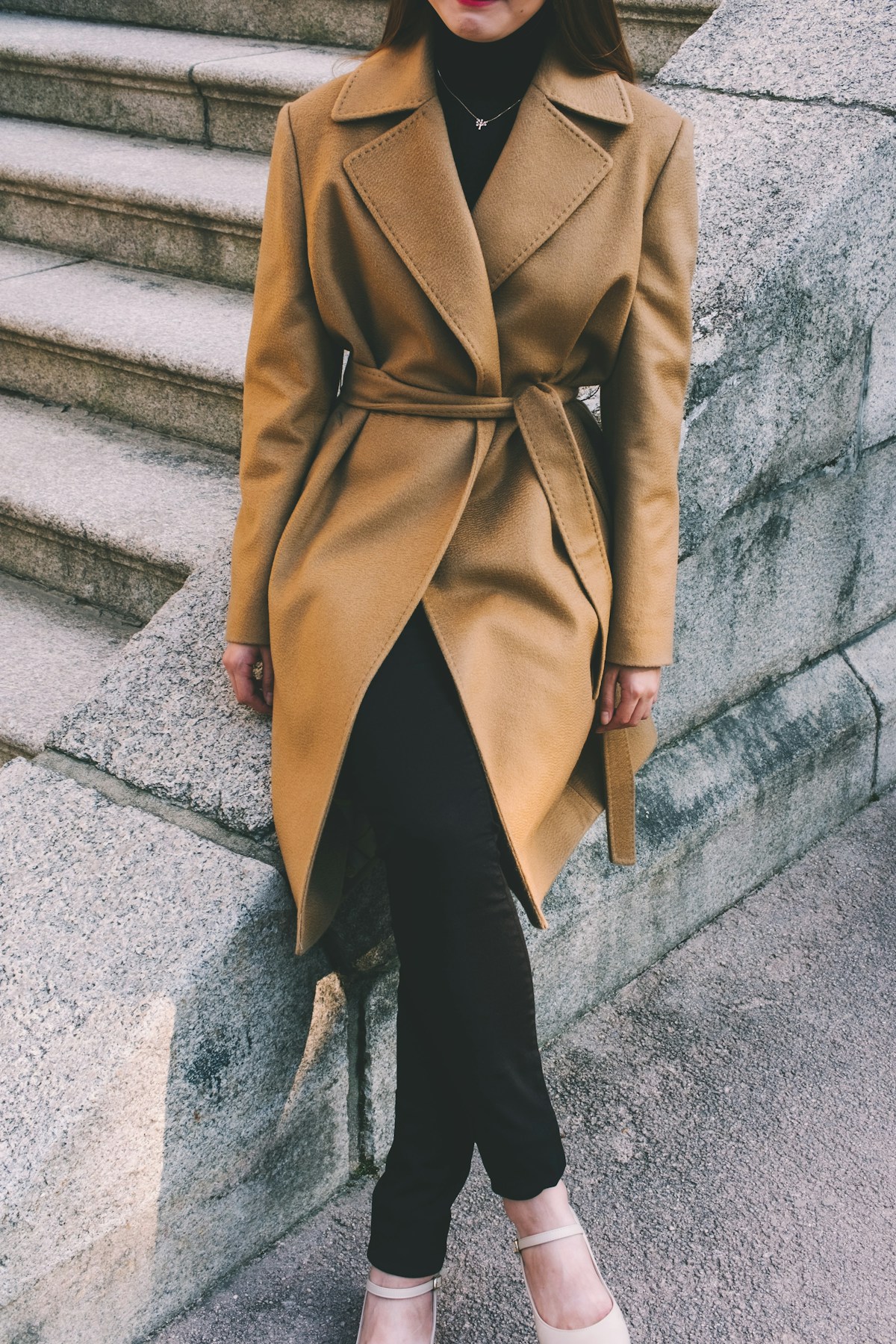
Your outerwear makes the first impression and sets the tone for your entire look. Whether it's a coach jacket, a technical shell, a wool coat, or a leather jacket, this piece should command attention while coordinating with what's underneath.
The outer layer should be your biggest investment in any layered outfit. This piece faces the elements, encounters friction and wear, and carries your visual signature. Quality construction, durable materials, and timeless design ensure your outerwear serves you for years.
Length Variation: The Visual Trick
Professional layering plays with length. A longer base tee peeks out from under a shorter hoodie. A mid-length jacket reveals the hem of your middle layer. These subtle reveals create visual interest and dimension. But the key is subtlety - we're talking inches, not feet.
Experiment with length combinations: a cropped hoodie over a longer tee creates a modern silhouette. A regular tee under a long coat adds classical proportion. Pay attention to how these combinations photograph - visual appeal matters as much as in-person impact.
Color Coordination: Harmonizing Layers
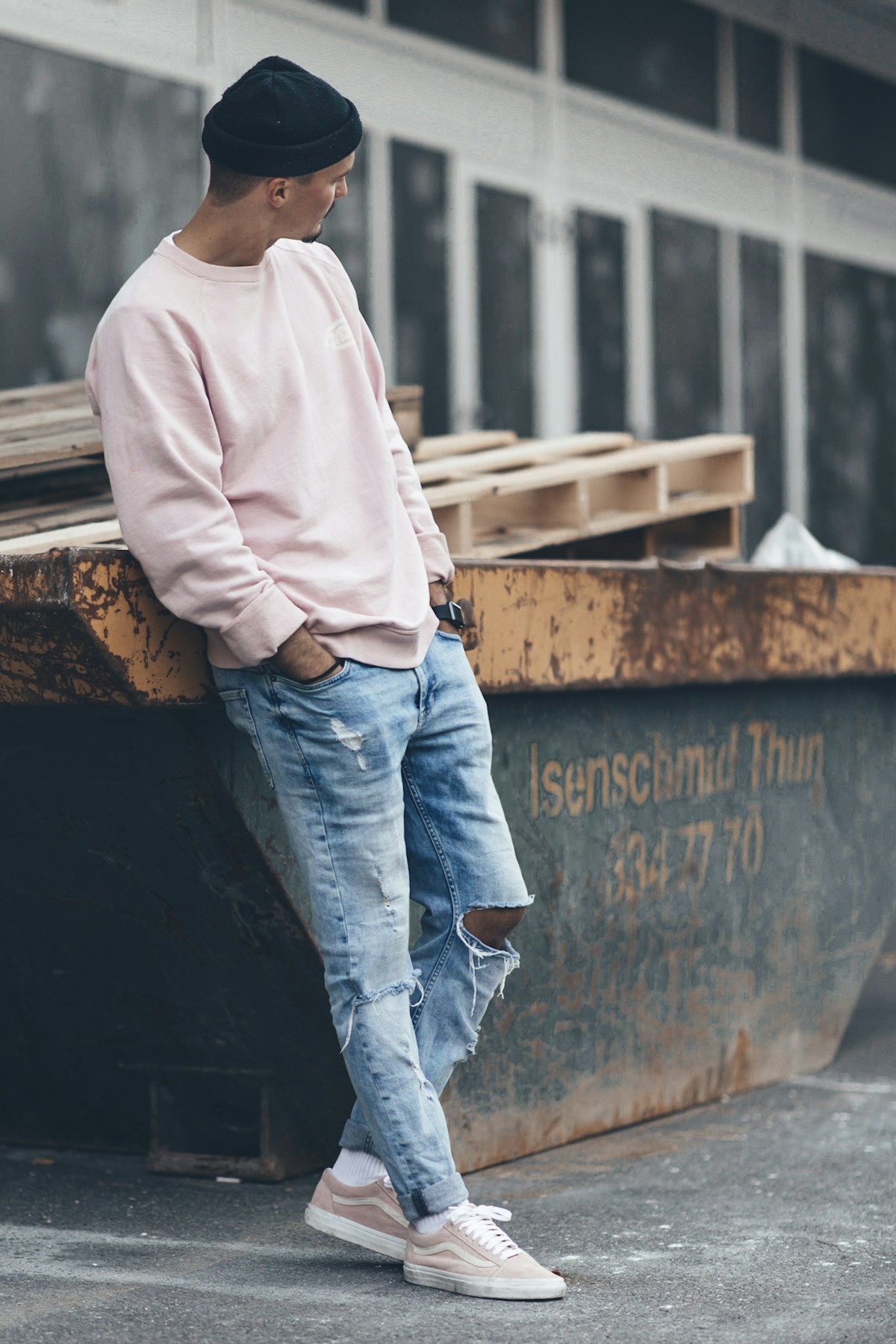
Layering requires color intelligence. The easiest approach is neutral-on-neutral: black on grey on white. This always works and allows accessories and footwear to make statements. The more advanced approach incorporates one accent color: a burnt orange hoodie between black base and grey jacket.
Avoid competing colors unless you're very confident in your aesthetic. Multiple bright colors can work, but the margin for error is small. When in doubt, use color strategically and sparingly. One statement piece per outfit, maximum.
Texture Mixing: Adding Sophistication
Advanced layering incorporates texture variation. Cotton tee under wool knit under nylon shell. Smooth under textured under smooth. These contrasts add visual depth without relying on color or graphics. Texture mixing is subtle luxury - most people won't consciously notice, but everyone will perceive the elevated aesthetic.
Different textures also serve different functions. Technical fabrics repel water. Wool provides warmth. Cotton offers breathability. Functional texture mixing delivers performance benefits alongside aesthetic ones.
The Removal Strategy: Designed to Adapt
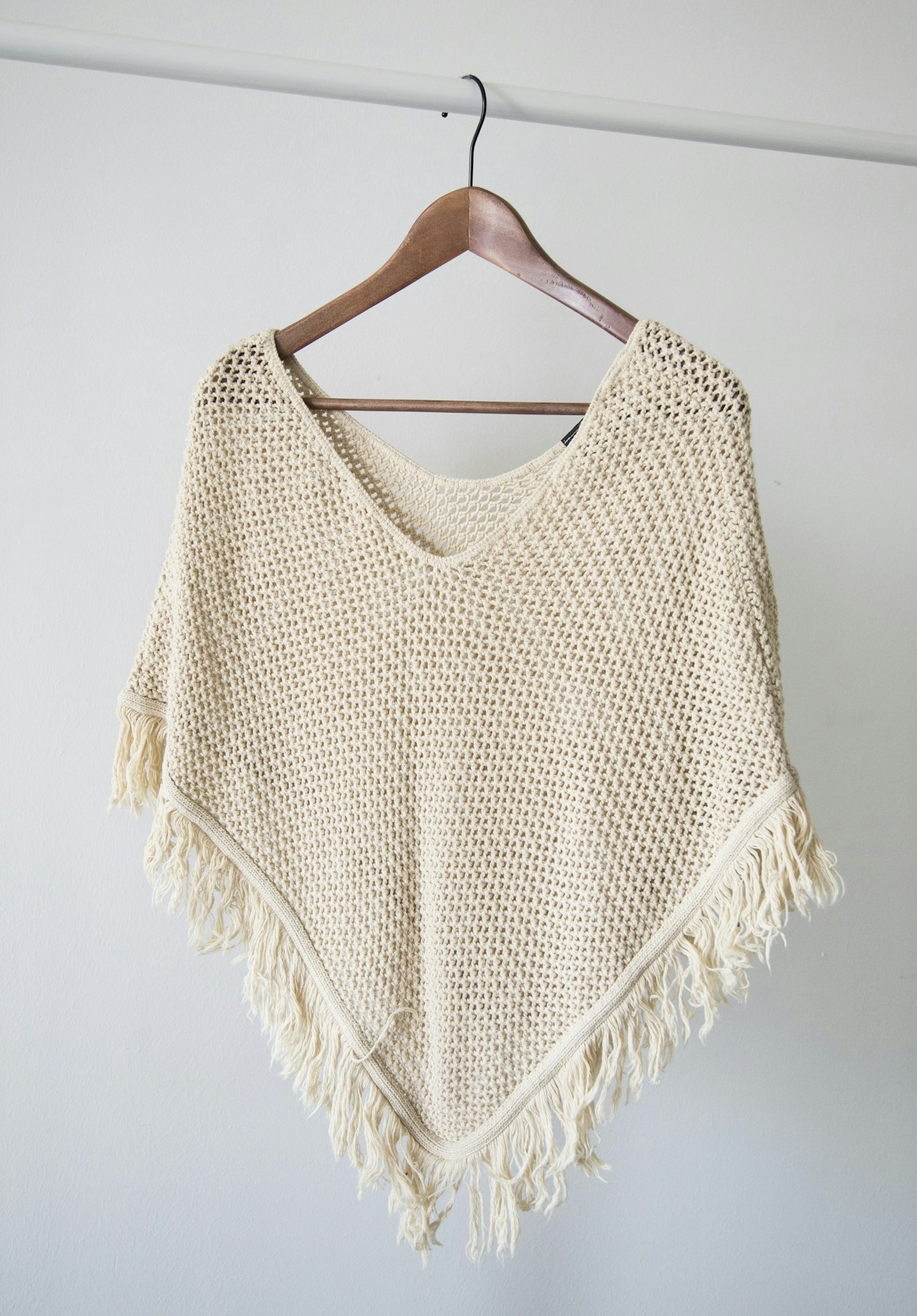
Great layering looks intentional at every stage of removal. When you take off your outer jacket, the middle and base layers should work as a complete outfit. Remove the middle layer, and the base stands alone. This adaptability is crucial for varying temperatures and contexts throughout your day.
Plan your layers with removal in mind. If your base layer is a plain white tee, consider a middle layer with some visual interest. If your middle layer is minimal, your outer layer should make a statement. At each level, you should look put-together, not halfway dressed.
Proportions: Balancing the Silhouette
Layering affects your proportions dramatically. Multiple loose layers create bulk. Multiple tight layers look constrained. The winning formula typically involves variety: fitted base, relaxed middle, structured outer. Or fitted base and middle with oversized outer. Play with proportions until you find what flatters your build.
Height matters in proportion decisions. Taller individuals can handle more oversized layers. Shorter individuals need more fitted pieces to avoid being swallowed by their clothing. Know your body, dress accordingly.
Seasonal Layering: Adapting the Approach
Summer layering focuses on lightweight materials: a tee under an open button-up, a thin hoodie over a quality tee. Winter layering stacks heavier weights: thermal base, heavyweight hoodie, insulated jacket. But the principles remain constant - each layer should work alone or in combination.
Transitional seasons offer the most layering opportunities. Fall and spring temperatures fluctuate throughout the day, requiring adaptable outfit construction. Master layering in these seasons, and you've mastered it completely.
The Functional Benefits: Beyond Aesthetics
Layering isn't just about looking good - it's strategically practical. Variable weather demands adaptability. Indoor/outdoor temperature differences require flexibility. Physical activity generates heat that necessitates removal options. Layering solves all these problems while maintaining aesthetic consistency.
The young billionaire values both form and function. Layering delivers both. Your outfit should work as hard as you do, adapting to every situation without requiring a complete change.
Investment Priorities for Layering
Build your layering capability strategically. Start with excellent base layers - multiple premium tees in neutral colors. Add versatile middle layers - quality hoodies and sweatshirts that coordinate with everything. Finally, invest in one or two premium outer layers that make statements.
As your wardrobe matures, expand options within each category. More bases in varied colors. Middle layers with different weights and styles. Outer layers for different weather and contexts. But always prioritize quality over quantity. Three excellent layers create more combinations than ten mediocre ones.
The Grooming Connection

Layering draws attention to your upper body and face. This makes grooming even more critical. Your hair should be styled intentionally. Facial hair should be well-maintained. Skin should be healthy. The most sophisticated layers can't compensate for poor grooming. The complete package requires complete attention to detail.
Practice Makes Permanent
Mastering layering requires experimentation. Try different combinations. Take photos to see what works visually. Pay attention to how layers feel throughout a full day. Notice which combinations get compliments. Build your intuition through repetition.
Over time, layering becomes instinctive. You'll know exactly which pieces work together and which don't. You'll adapt to weather changes without thinking. That's when layering transcends technique and becomes personal style.
The Signature Stack
Eventually, you'll develop your signature layering approach - a go-to combination that works for your lifestyle, body type, and aesthetic. Maybe it's a white tee, grey hoodie, black jacket. Maybe it's a black base, cream knit, navy coat. Whatever it is, own it. Refine it. Make it unmistakably yours.
Your signature stack becomes part of your personal brand. People will associate that look with you. It becomes a visual shorthand for your style and approach. That's powerful. That's intentional. That's the art of layering mastered.