


From Underground to Unstoppable
Streetwear didn't start in boardrooms or on runways. It emerged from the streets - skateparks, hip-hop venues, punk shows, and urban neighborhoods where creativity met necessity. Today, it dominates global fashion, with luxury houses collaborating with street brands and young entrepreneurs building empires from hoodies and tees. This is the story of how streetwear became the uniform of ambition.
The Origins: Rebellion and Identity
The 1970s and 80s saw the birth of what we now call streetwear. Skate culture in California, hip-hop in New York, punk in London - each movement needed clothing that reflected its values. Function met form: durable pants for skating, oversized tees for breakdancing, DIY customization as personal expression.

Brands like Stüssy emerged from surf culture, creating pieces that blurred the line between sportswear and lifestyle. Shawn Stüssy's signature became a symbol - not of a product, but of a culture. This was revolutionary: clothing as identity rather than just utility.
The Hip-Hop Influence: Making It Mainstream
The 1990s brought hip-hop to the forefront of popular culture, and with it came a streetwear explosion. Artists weren't just wearing brands - they were building them. Russell Simmons and Run-DMC partnered with Adidas. FUBU (For Us, By Us) emerged as a powerful statement of Black entrepreneurship.
This era established a crucial precedent: streetwear could be both authentic to its roots and commercially successful. The culture could scale without selling out. Artists became entrepreneurs, and entrepreneurs became tastemakers.
The Japanese Revolution: Elevating the Game

While American streetwear was finding its footing, Japan was reimagining it entirely. Brands like A Bathing Ape, Undercover, and Neighborhood took streetwear's casual aesthetic and infused it with meticulous craftsmanship and limited availability.
The Japanese approach introduced scarcity as strategy. Limited drops, exclusive releases, and obsessive attention to detail transformed streetwear from everyday wear into collectible culture. Lines wrapped around blocks. Resale markets exploded. Streetwear became not just fashion, but investment.
The Supreme Model: Hype as Currency
Supreme's rise in the 2000s established the blueprint that countless brands now follow. Start with quality. Build a community. Create scarcity. Generate hype. Repeat. Their box logo became one of the most recognizable symbols in fashion, despite - or because of - its simplicity.
The genius was in understanding that exclusivity drives desire. By producing limited quantities and refusing to restock, Supreme turned every release into an event. They didn't just sell clothing; they sold the experience of being part of something exclusive.
High Fashion Takes Notice: The Crossover

For years, high fashion ignored streetwear. Then, suddenly, it couldn't afford to. Virgil Abloh's Off-White bridged the gap, bringing streetwear sensibilities to luxury pricing. When he became artistic director of Louis Vuitton menswear in 2018, it marked a seismic shift: streetwear wasn't alternative anymore. It was aspirational.
Collaborations exploded: Supreme x Louis Vuitton, Dior x Air Jordan, Gucci embracing sneaker culture. The message was clear - streetwear had won. The culture that started in parking lots was now walking runways and selling for luxury prices.
The Digital Age: Global Community
Social media accelerated streetwear's rise exponentially. Instagram turned every drop into global news. Reddit communities analyzed upcoming releases. Bots fought for limited items. The culture became accessible to anyone with internet access, while simultaneously becoming more competitive.
Influencers emerged as the new gatekeepers. A single post could make or break a brand. Young entrepreneurs leveraged digital platforms to build audiences before launching products. The barriers to entry lowered, but the standards for success rose.
Streetwear Today: The New Establishment
We've reached a fascinating point: streetwear is now the establishment it once rebelled against. Billion-dollar valuations, corporate acquisitions, and mainstream acceptance have transformed the landscape. Nike buys RTFKT for digital streetwear. Hoodies cost four figures. The underground went overground.
But the core remains: authenticity matters. Community matters. Quality matters. The brands that succeed aren't just selling clothes - they're selling culture, identity, and aspiration. They understand that their customers aren't just buying products; they're buying into a vision of who they want to be.
The Young Billionaire Era: Ambition as Aesthetic
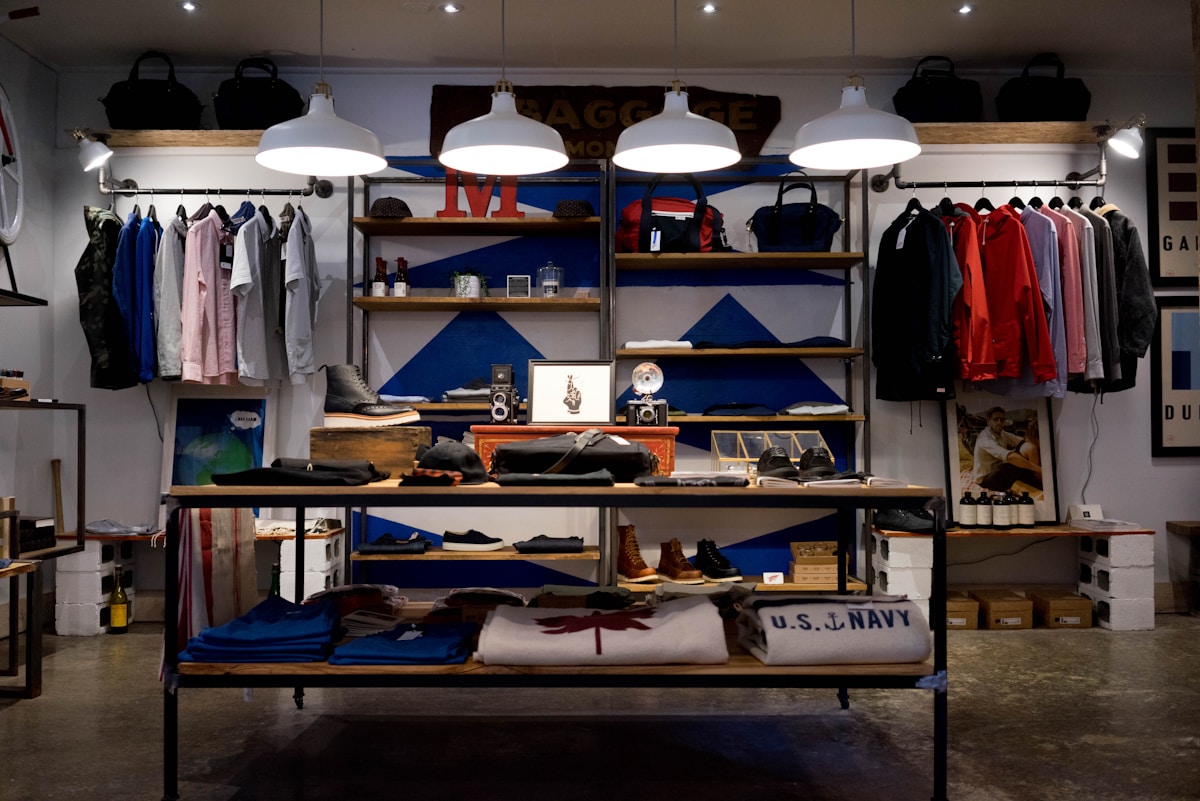
Today's streetwear reflects a new generation's values. It's not just about looking good - it's about signaling ambition. The young entrepreneur needs clothing that works in every context: comfortable enough for 14-hour workdays, sharp enough for investor meetings, authentic enough for creative collaborations.
This is where brands like The Young Billionaires fit in. We're not just following streetwear's evolution - we're defining its next chapter. Clothing for those who refuse to choose between comfort and ambition, between authenticity and success.
Looking Forward: Where Streetwear Goes Next
Sustainability is becoming non-negotiable. Digital fashion and NFTs are creating new markets. Direct-to-consumer models are disrupting traditional retail. The future of streetwear is being written right now by entrepreneurs who understand both the culture and the business.
What remains constant is the core principle: streetwear is for people who create their own path. It's for the ambitious, the creative, the unconventional. It's for those who understand that what you wear is part of how you build your future.
The Lesson: Culture Always Wins
Streetwear's rise teaches us something crucial: authenticity can't be manufactured. The brands that tried to capitalize on the trend without understanding the culture failed. The ones that stayed true to their roots while evolving with their audience succeeded.
This applies beyond fashion. In any industry, culture matters more than capital. Community matters more than marketing. Authenticity matters more than advertising. These are the principles that built streetwear from nothing to everything.
You're not just wearing a trend. You're wearing the result of decades of cultural evolution, entrepreneurial ambition, and creative rebellion. That's powerful. That's streetwear.